Meta ads for restaurants in India: budget, targeting and creative
Short answer: Start small and local. Target people within a short drive, promote specific offers for your slow nights, and use short Reels of real food and the room. Send people to WhatsApp or a simple booking page, track every booking, and judge the ads by covers and cost per booking, not likes.
Do Meta ads work for restaurants in India?
Yes, when they are local, specific and tracked. Instagram and Facebook are where many people discover places to eat, so a small, well-aimed budget can fill tables.
They work best when there is a clear reason to visit. For example:
- A slow-night offer, such as a Tuesday thali or a Wednesday set menu.
- An event, such as live music, a quiz night or a festival menu.
- A new dish, a new outlet or a seasonal launch.
- A group or party package for birthdays and office dinners.
They tend to work less well as general "follow us" ads. Followers are nice. Bookings pay the rent.
How much should a restaurant budget for a first test?
Start with a fixed monthly test budget you are comfortable losing, and run it for at least four weeks. Check the current minimum daily budget in your own Ads Manager, since platform minimums can change.
Judge the test by bookings and cost per booking, not reach.
Worked example (example numbers): A café in Bengaluru tests Meta ads for one month.
Daily budget: ₹500, so the month costs 30 × ₹500 = ₹15,000.
For example, each WhatsApp chat started from the ad costs ₹40, giving 375 chats.
If 20% of those chats become table bookings, that is 75 bookings.
Cost per booking: ₹15,000 ÷ 75 = ₹200.
If the average bill per booking is, for example, ₹1,800, those bookings bring in ₹1,35,000 in sales.
These are example numbers only, not benchmarks or a forecast.
The useful question is whether ₹200 per booking works with your margins. Use your own numbers in our free ad budget calculator.
How tight should your location targeting be?
Tight. Most diners will not cross a city for an ordinary weeknight meal, so target the area people actually travel from.
Practical guidelines:
- Neighbourhood places and cafés: a small radius around the outlet, roughly the distance of a short auto ride.
- Destination restaurants and fine dining: a wider area, because people will travel for a special meal.
- Office-heavy areas: target the business district for lunch offers, and residential areas for dinner.
- Multiple outlets: run a separate ad set per outlet, each with its own radius.
In dense cities like Mumbai, traffic matters more than kilometres. A place two kilometres away may be thirty minutes in the evening. Think in travel time, then draw the map.
How do you use ads to fill slow nights?
Promote a specific reason to come on the quiet night, and start showing it a day or two before. Ads that name the day work better than vague "visit us soon" messages.
A simple slow-night plan
- Look at your covers for the last eight weeks. Find the two quietest nights.
- Create one offer for each, such as a set menu, a happy hour or a family deal.
- Run the ad from the day before until the evening itself.
- Pause or lower spend on nights you are already full.
Check the current scheduling options in Ads Manager when you build the campaign. Even without detailed scheduling, you can start and stop campaigns around your week.
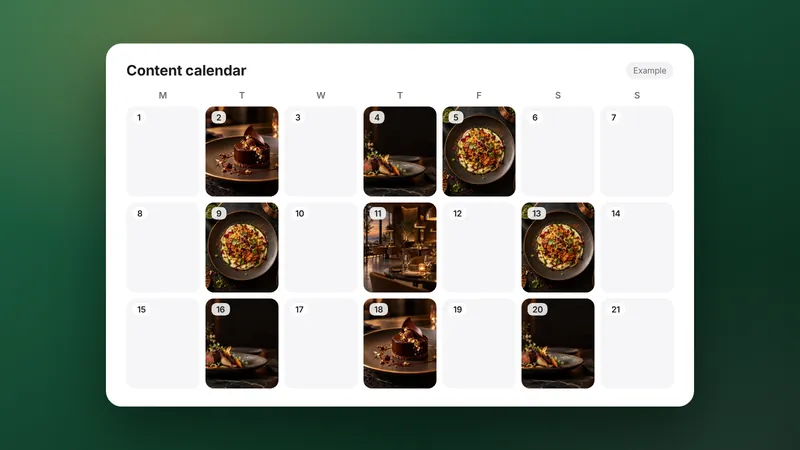
Pair the ads with your organic posts. Our restaurant content calendar shows how to plan posts around the same weekly rhythm.
What creative works for restaurant ads?
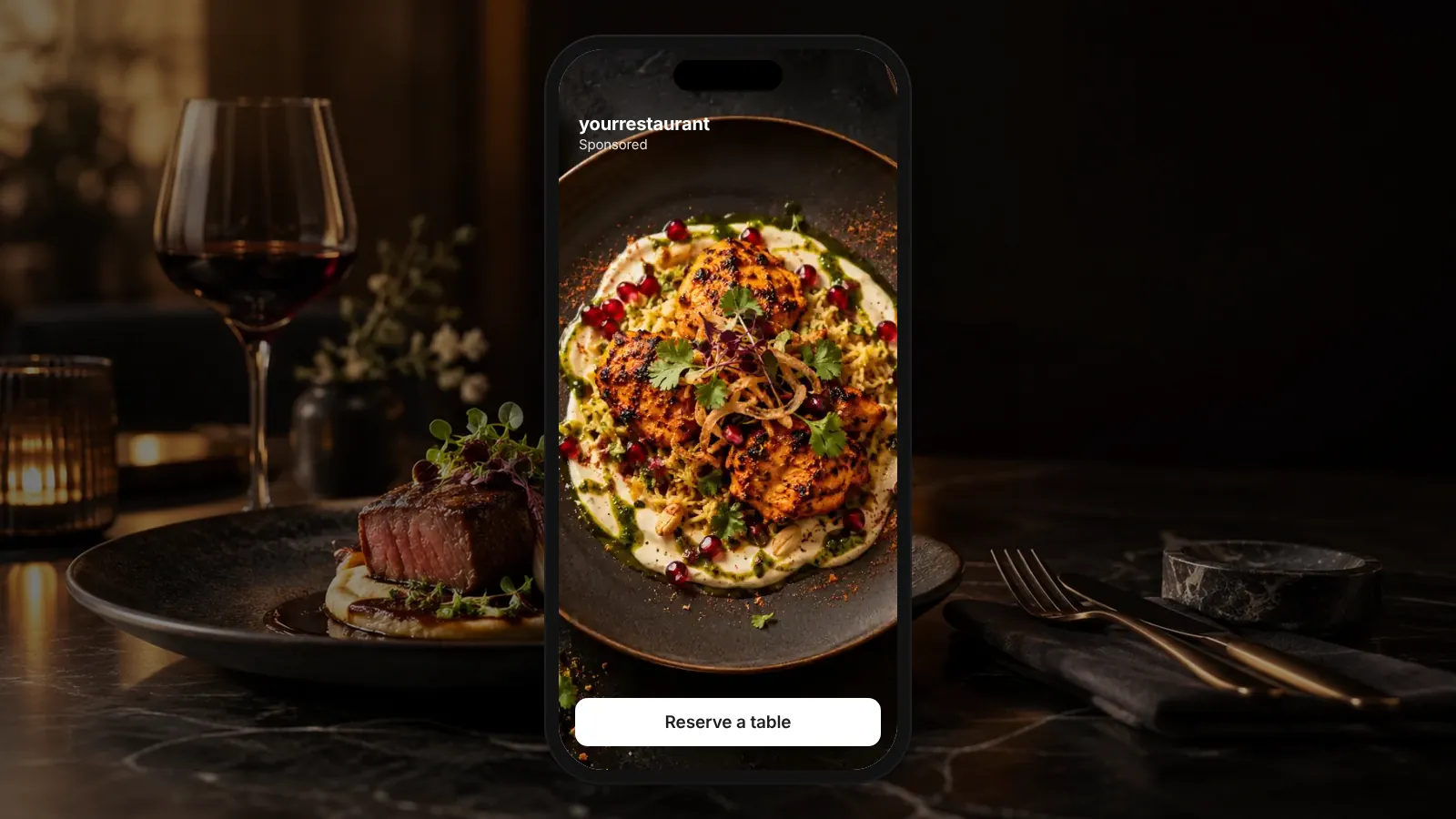
Short vertical Reels of real food, real people and the room usually beat polished stills. People want to see what the evening will feel like.
Ideas that tend to work:
- The sizzle shot: a dish being plated, poured or grilled, in the first two seconds.
- The room at its best: lights, music, a full table.
- The offer on screen: day, price and what is included, in large text.
- The chef or staff: a face behind the food builds trust. No names needed.
Keep the first second strong, because people scroll fast. Add on-screen text for viewers watching without sound. Refresh creative every few weeks, before regulars tire of it. Our post on Meta ads creative fatigue explains the signs.
If you use AI tools, label AI-made creative honestly. Read our guide on whether AI-generated ads are allowed on Facebook and Instagram.
Where should the ad send people?
Send people where they can book in the fewest taps. For many Indian diners, that is WhatsApp. For others, it is a simple booking page or a phone call.
| Destination | Good for | Watch out for |
|---|---|---|
| WhatsApp chat | Quick bookings, questions, group enquiries | Someone must reply fast, every evening |
| Booking page on your website | Clear date, time and guest count, easy to track | Must load fast and work on mobile |
| Phone call | Older guests, last-minute tables | Hard to track unless you log calls |
| Instagram profile | Brand awareness | Weak for bookings, hard to measure |
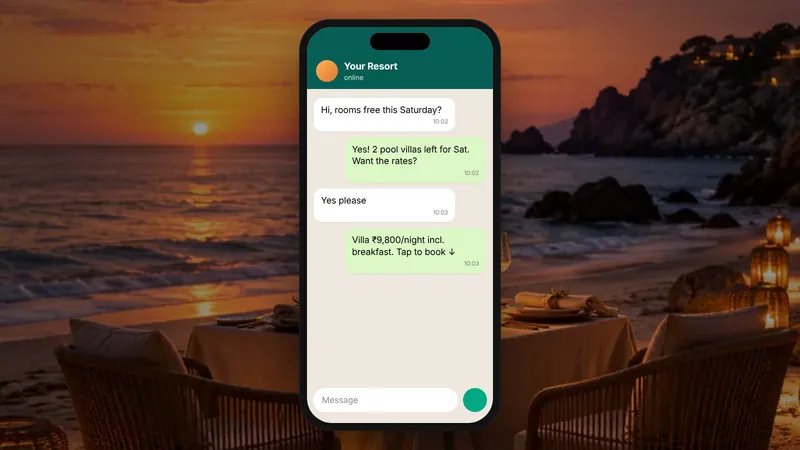
If you use WhatsApp, plan replies and follow-up messages properly. Meta's developer guide on getting opt-in for WhatsApp messages explains permission before you message people. Larger venues may look at the WhatsApp Business Platform for automated replies. Our post on WhatsApp automation for hotels and restaurants covers the practical side.
For a feel of a booking-first website, see our restaurant website concept, built for a fictional brand.
How do you track bookings from Meta ads?
Count bookings, not clicks, and record where each one came from. Without tracking, you cannot tell a good ad from a lucky week.
A simple setup for most restaurants:
- Install the Meta pixel on your booking page and fire an event when a booking completes. Our Meta pixel and Conversions API guide explains the setup.
- For WhatsApp bookings, ask "How did you hear about us?" or use a code word from the ad.
- Log every booking in one sheet or system, with its source and the number of covers.
- Compare cost per booking each week, by offer and by outlet.
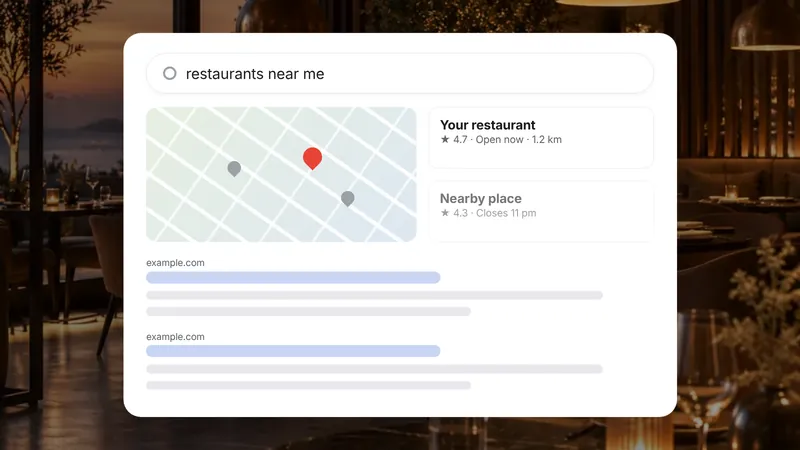
Keep your Google listing current too, because many people check Maps before they walk in. Google Business Profile Help covers how to update hours, photos and menus. Our local SEO checklist for restaurants in India goes further.
What mistakes waste a restaurant's ad budget?
Most waste comes from targeting too wide, promoting nothing specific and not tracking bookings. All three are easy to fix.
- Targeting a whole city for a neighbourhood café.
- Running the same ad for months.
- Sending people to a slow website with a PDF menu.
- Leaving WhatsApp messages unanswered during service.
- Judging success by likes and followers instead of covers.
WebMaxs manages Meta and Google ads for restaurants, cafés and bars, alongside social media and Reels. See how we approach restaurants, cafés and bars, and check plans on the pricing page. Ad spend is always paid by you, directly to Meta.
Frequently asked questions
Should a restaurant boost posts or use Ads Manager?
Boosting is quick and fine for a one-off. Ads Manager generally gives you more control over audience, budget and tracking. For a regular programme of slow-night offers, Ads Manager is usually worth the extra setup.
Should I run ads all week or only on slow nights?
Start with the quiet nights, because that is where an extra table matters most. On busy nights you may be full anyway, so ad spend adds little. Once the slow-night offers work, test a light always-on campaign for events and group bookings.
How often should I change my ad creative?
Watch how often the same people see the ad and whether results drop. Fresh Reels every few weeks are a sensible habit for most restaurants. A new dish, a new event or a new season is a natural reason to refresh.
Do Meta ads help with Swiggy or Zomato orders?
They can drive people to a delivery listing, but tracking those orders is harder because the sale happens on another app. Some restaurants keep Meta ads for dine-in bookings and use offers inside the apps for delivery.
Can I use AI-made food images in my ads?
You can use AI tools for layouts, text and backgrounds. Be careful with AI-made dishes, because guests expect the food to look like the ad. Label AI-made creative honestly and use real photos of real plates where you can.
Sources
- Meta for Developers: Getting opt-in for WhatsApp business messaging
- WhatsApp: Business Platform
- Google Business Profile Help
Platform rules change. Check the official pages before you launch.
Want this done for your brand?
See how WebMaxs handles Meta and Google ads, or tell us about your business and we will bring three ideas and a free sample ad to the call.